
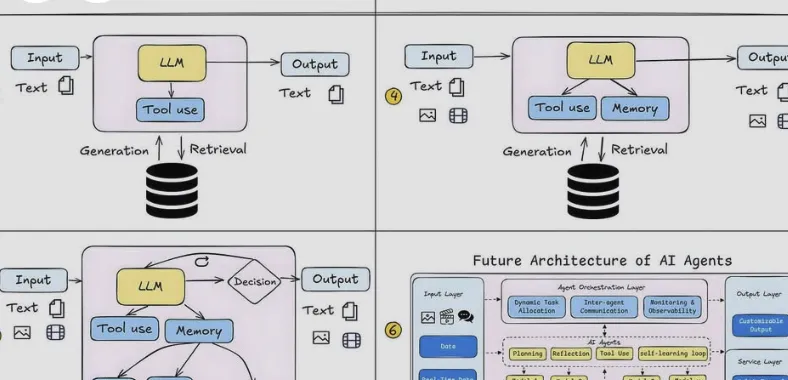
TL;DR: Use agentic AI when a task needs multi-step reasoning, touches several systems and requires a full audit trail. For single-step jobs such as classification, summarization or Q&A over documents, a well-prompted model or a RAG pipeline is simpler and cheaper. A meaningful enterprise agentic build takes 3-6 months, and most of the first month goes into domain research and architecture.
When does agentic AI make sense? (And when doesn't it?)
The term "agentic AI" gets attached to everything from glorified chatbots to genuine autonomous systems. If you're a CTO evaluating whether this technology fits your operations, the first step is cutting through the noise.
Here's a practical framework we use at Globalbit when a client asks us whether they need agentic AI or something simpler.
The decision framework: three questions
1. Does the task require multi-step reasoning?
If the work involves a single input producing a single output (classify this email, summarize this document), you probably don't need agents. A well-prompted language model or a fine-tuned classifier handles that.
Agentic AI becomes valuable when a task requires chaining multiple decisions together: look up information in system A, cross-reference with system B, make a judgment, then take an action in system C. This is what separates agents from regular AI interfaces.
Example: One of our legal clients needed to research precedents across Israeli databases, construct argument structures, and cross-reference related rulings. No single model call handles that workflow. It required three specialized agents coordinating — which is exactly what we built with Psika.ai. The result: a 40% reduction in research time per case.
2. Does the task touch multiple systems?
If the AI needs to read from a CRM, write to a case management system, and send alerts through an internal messaging platform, you need agent infrastructure. This is integration-heavy work that goes far beyond a chat interface.
We've seen companies try to solve this with API scripts and no agent layer. It works for a while, but the moment you need error handling, retry logic, and audit trails, the script approach falls apart.
3. Do you need audit trails and compliance?
For organizations in healthcare, finance, or government, every AI decision needs to be traceable. Who requested it, what data was accessed, what action was taken, and why. If your use case requires this level of accountability, you need an agent framework with built-in governance — not a bolt-on logging solution.