
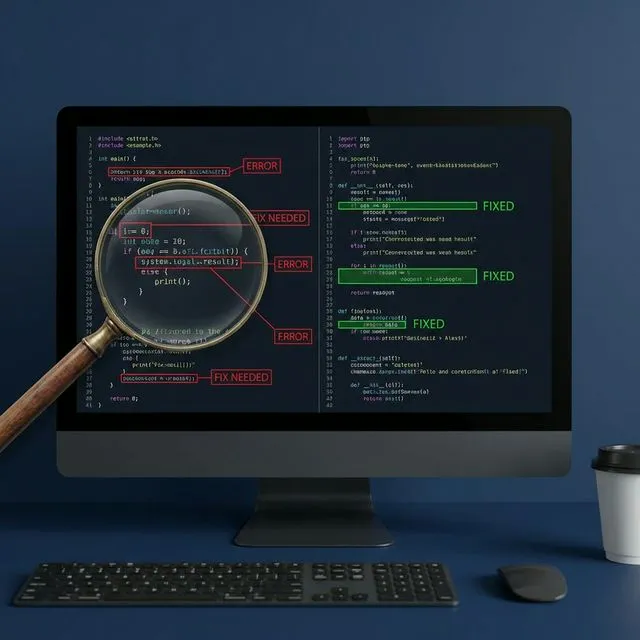
You don't know what you don't know about your codebase
Most companies request a code audit after something goes wrong. A security breach, a production outage that took 12 hours to fix, or a new CTO who opens the repository and asks "who wrote this?"
By that point, the audit is damage assessment. The better time is before things break.
When you need a code audit
Before acquiring a company. If you're buying a tech company and the code is the asset, you need someone independent to evaluate what you're actually getting. We've reviewed acquisition targets where the "proprietary platform" was 200 lines of Python wrapping an open-source tool.
After your founding engineers leave. Companies lose institutional knowledge when early engineers depart. An audit documents what exists, identifies undocumented dependencies, and flags areas where only one person understood the code.
Before scaling. Code that works for 1,000 users often collapses at 100,000. An audit stress-tests architecture decisions and identifies bottlenecks before they become outages.
When your release cycle keeps slowing. If shipping a feature that used to take a week now takes a month, something is wrong in the codebase. An audit tells you what.
Regulatory compliance deadlines. SOC 2, ISO 27001, and PCI compliance all require documented security practices. An audit identifies gaps before the official assessment.